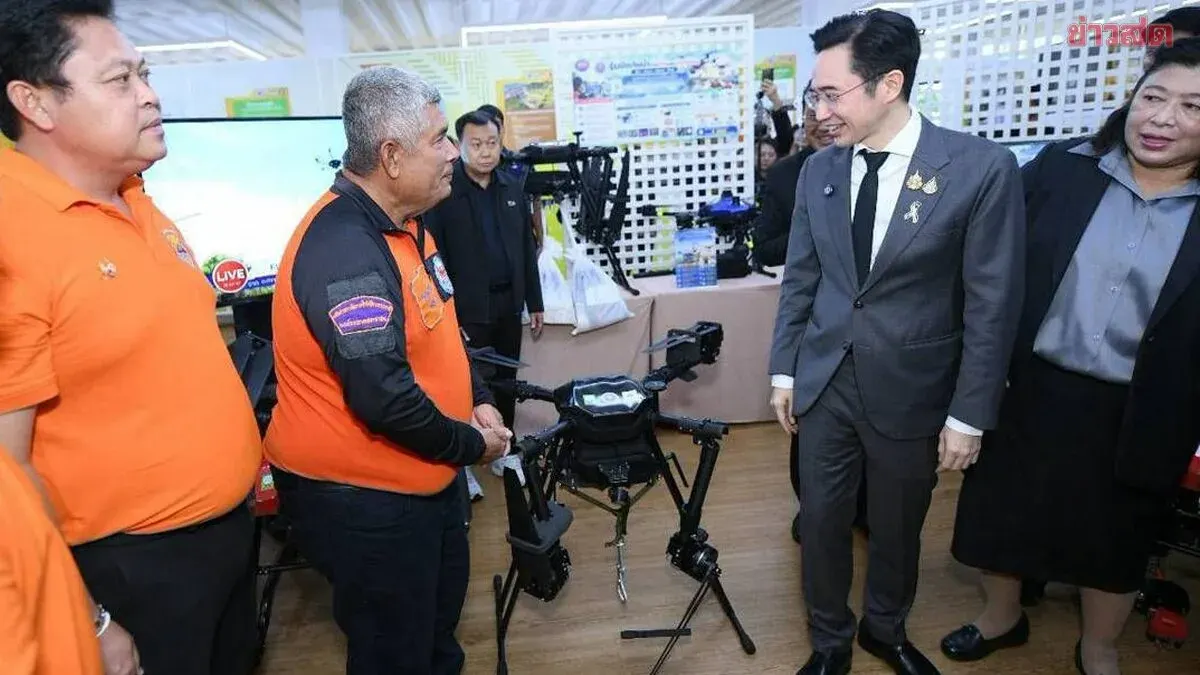
Toyota Halts Production at Three Plants Amid Flood Disruptions
Toyota has temporarily halted production at three of its Thai plants after flooding disrupted key suppliers in the Amata Nakorn industrial estate, putting about 30,000 vehicles at risk. The company is accelerating imports of parts and seeking government tax relief, including import‑tax exemptions and double deductions for repair costs. Officials say they will discuss the measures with the Finance and Revenue departments to help the automotive sector recover.
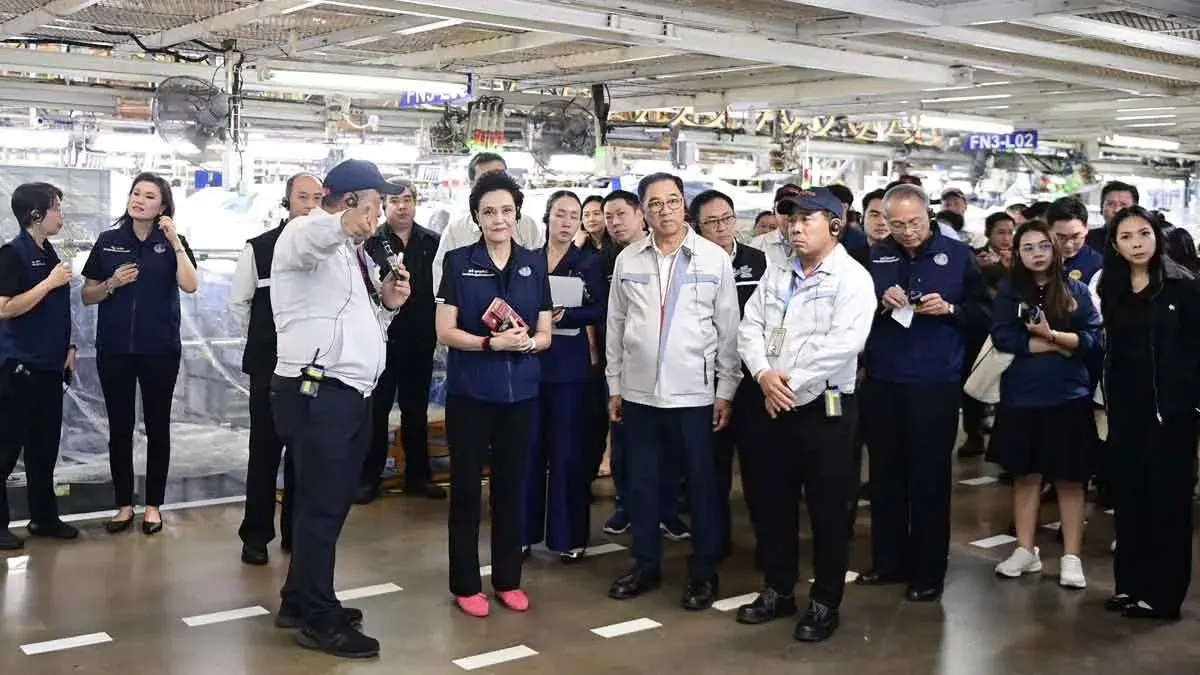
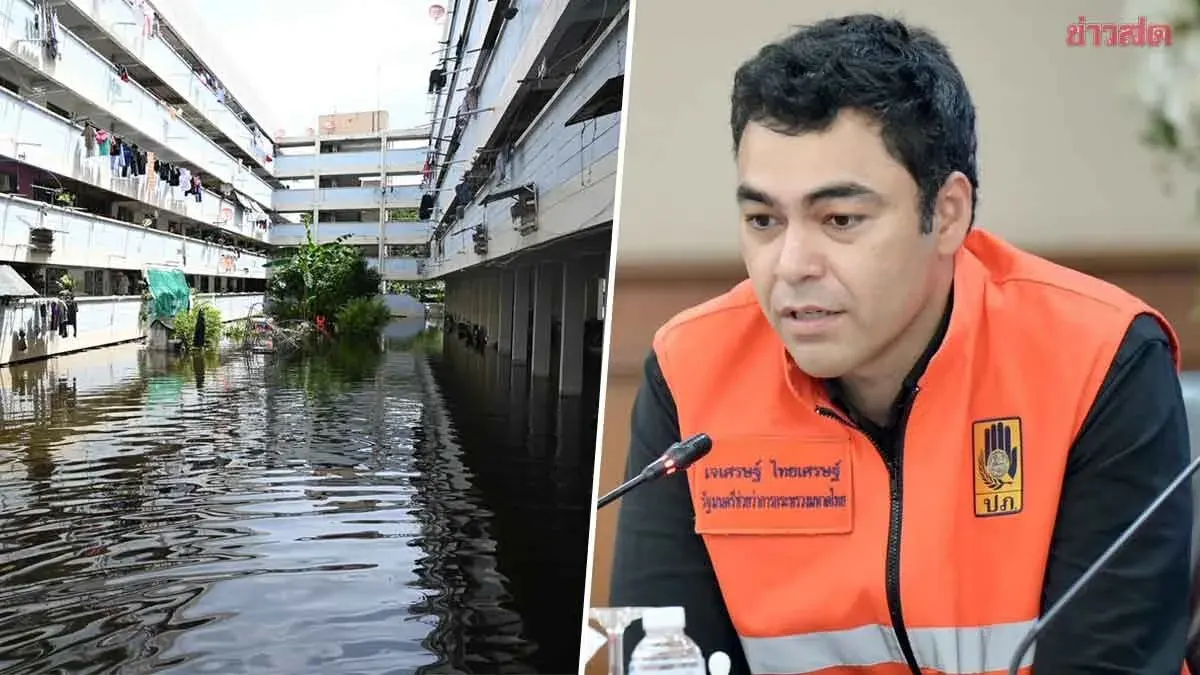
Toyota announced that flooding at supplier companies in the Amata Nakorn industrial estate has disrupted production, damaging output of about 30,000 vehicles. The company is accelerating imports of airbags and carpets from Japan and Vietnam as a temporary measure. Deputy Prime Minister and Commerce Minister Supachai Suttharathaphan said after visiting the Toyota plant in Samrong that the government is considering concrete measures, including exempting import taxes on new machinery and replacement parts, and allowing double tax deductions for factory repair and machinery upgrade expenses. Toyota’s senior executive Somkid Praditkamolchorn said production has been temporarily halted at the Samrong, Gateway, and Ban Pho plants because roughly 14 suppliers in the estate are under 50–70 centimetres of water, preventing them from making and delivering key components such as carpets and airbags. The stoppage has created a backlog of about 30,000 vehicles, affecting domestic sales and export shares. The Samrong and Gateway plants are expected to remain idle until the 10th of this month, while the Ban Pho plant may stay closed until the 18th. Toyota plans a two‑phase recovery: first helping suppliers resume operations, then boosting output urgently to meet customer demand. The company also urged the government to improve flood‑warning systems for greater accuracy and speed, and to roll out tangible tax‑relief and low‑interest loan packages to help supply‑chain businesses recover and guard against future crises.