CP Executive Outlines AI Strategy for Post-Crisis Growth
Charoen Pokphand Group's senior executive urged Thailand to leverage AI and technology in agriculture and food production to transform challenges into growth opportunities, shifting from raw material exports to value-added products meeting

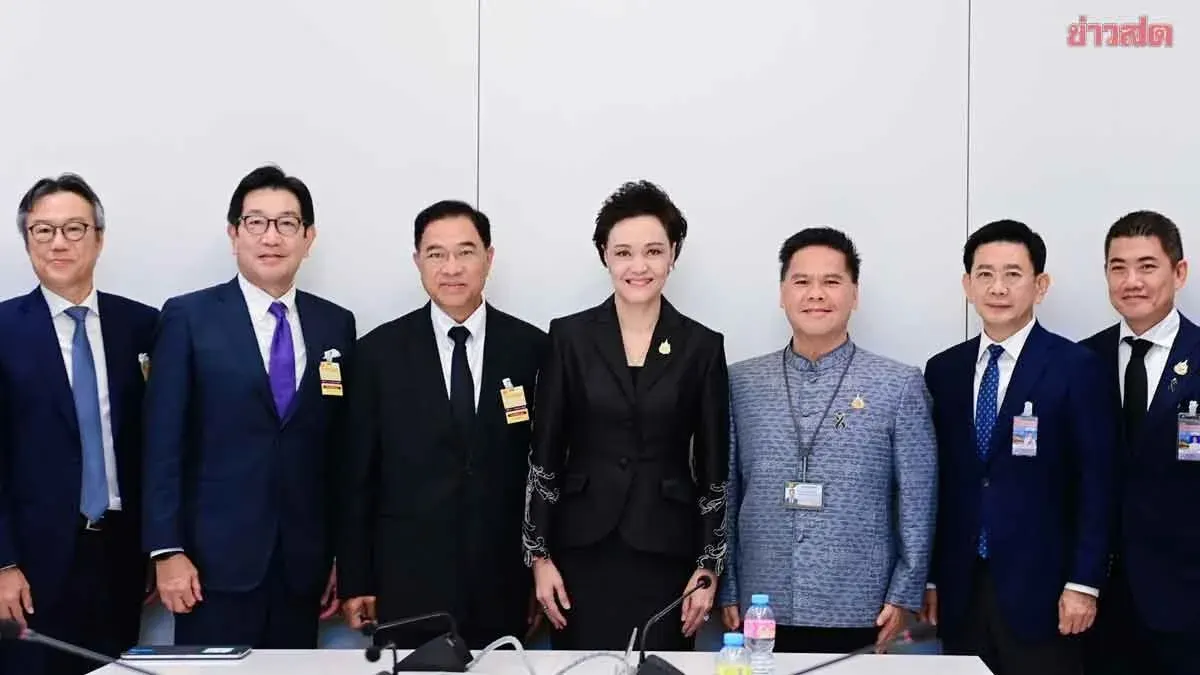
On September 3, 2026, Suphachai Chearavanont, Senior Vice Chairman of the Charoen Pokphand Group, presented his vision titled "Business Building the Future: Winning in Turbulence" at the Bangkok Business Summit 2026, organized by the Joint Standing Committee of Commerce, Industry and Banking alongside government and World Bank partners at Sirikit National Convention Centre.
Suphachai characterized the current global landscape as highly uncertain due to conflict, economic disruption, climate change, and social challenges including quality of life, gender equality, and environmental concerns—all interconnected with economic growth and prosperity. He emphasized that for the private sector, volatility and challenges represent not only risks but also opportunities to pursue new industries and businesses. With coordinated strategy and appropriate investment across all sectors, these obstacles can become growth drivers.
"The private sector is always looking for opportunities," Suphachai said. "When we find them, we are ready to take calculated risks to achieve results. If we examine challenges carefully, we can transform them into opportunities."
Thailand possesses strong advantages in agriculture, food, and health sectors that can be leveraged through research and development to create products and innovations meeting global demand. Rather than viewing agriculture as merely production and raw material export, Thailand must shift toward value-added production—from food processing and frozen products to industrial ingredients and health and beauty goods.
The key is changing from producing what Thailand has to producing what markets demand. Understanding global and regional needs, then designing products, production systems, and supply chains to meet those demands is essential.
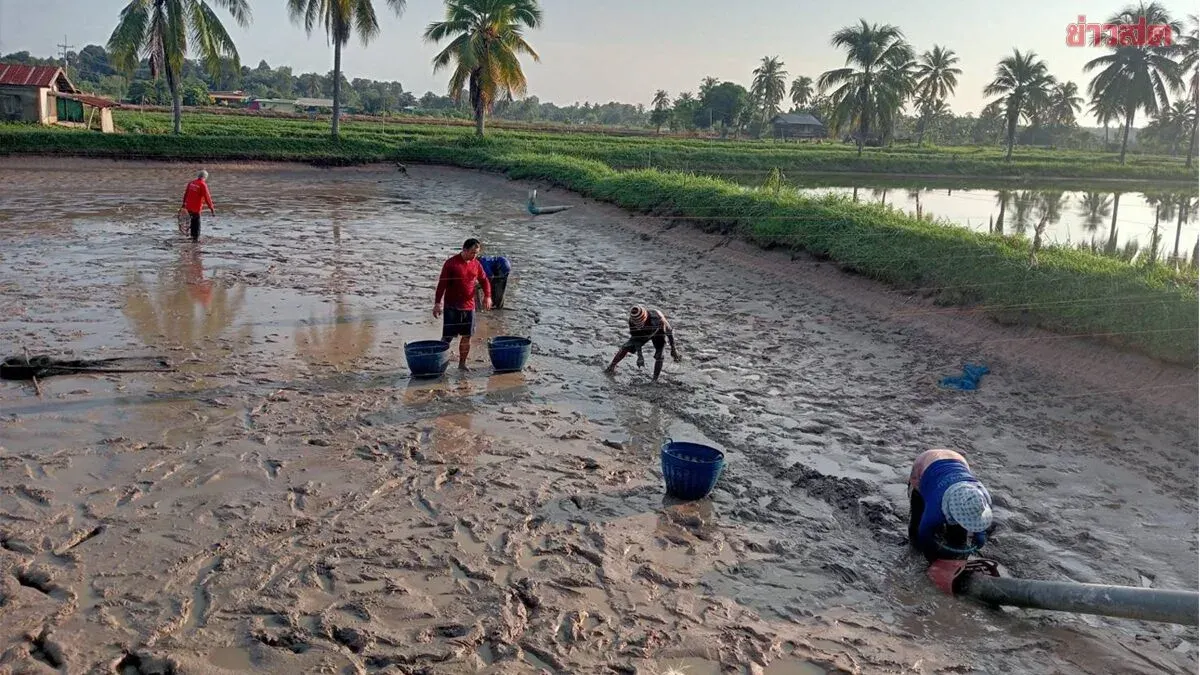
Agriculture represents an area where technology can drive significant transformation. With approximately 20 million rai of farmland, Thailand should deploy appropriate infrastructure and technology including precision farming, AI, and automation to boost productivity. Increasing yields by 3 to 5 times could generate substantial economic value. This transition must begin at household and smallholder farmer levels, enabling SMEs to participate more deeply in industrial chains and creating widespread employment and economic opportunities.
AI, data, data infrastructure, and cloud technology represent a major shift reshaping business competition and processes.