Government Rejects Closing Agricultural Market Agency
Thailand's government will keep the Agricultural Market Organization open despite financial losses, focusing instead on boosting productivity and modernizing operations to better support farmers and increase revenue from underused facilitie
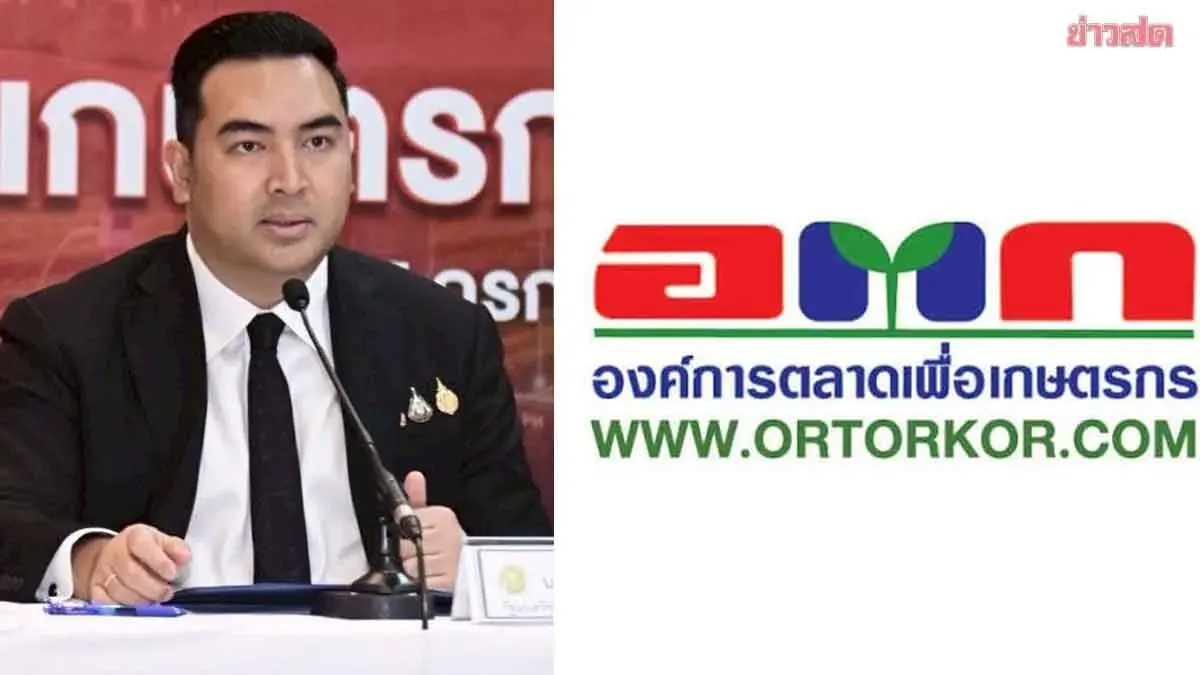
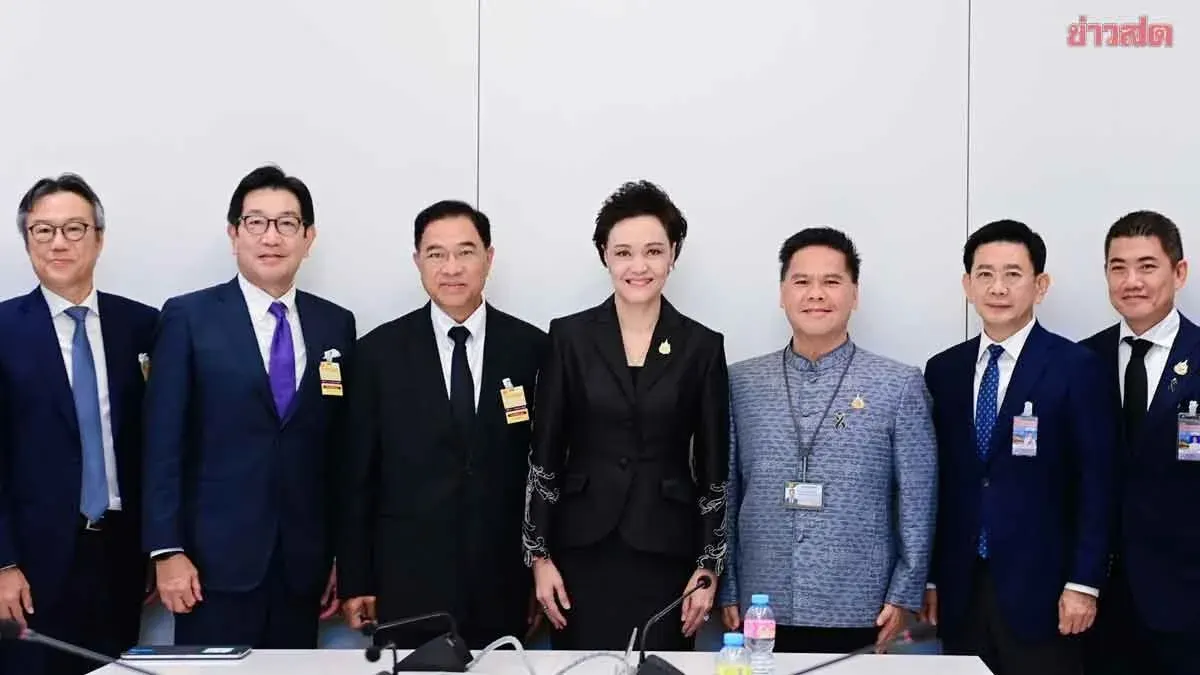
Deputy Agriculture Minister Watcharapol Khaokhram revealed the direction for the Agricultural Market Organization (AMO), one of eight state enterprises currently undergoing role review for improved efficiency and reduced overlap. Initial plans do not include dissolution, as the agency plays a direct role assisting farmers; closing it could deprive farmers of support mechanisms for product distribution and sales.
The minister acknowledged the AMO's performance and accumulated liquidity problems but stressed that operational results must be viewed alongside its farmer-support mission. The organization currently utilizes only 30-40 percent of its facility potential, so efforts will focus on increasing land and asset productivity to 80 percent to generate more revenue and ease financial burden.
Cost-cutting and business model modernization are underway, with review of whether the AMO's historical strengths in premium and quality markets should be retained or reformed. Regarding liquidity challenges, Khaokhram noted that additional borrowing is difficult given sustained losses, so business restructuring and visible recovery potential are essential. He assured farmers and merchants that the AMO will not close and will accelerate organizational revival to maintain farmer support.
Vice Permanent Secretary Krit Uttamawethin, chairing the AMO board, reported the organization faces a 1.033 billion baht loss, largely from failed past special projects, compounded by current economic pressures affecting tenants. A three-month emergency plan aims to boost revenue through consumer goods distribution using agriculture ministry production bases to expand agricultural product sales and reduce living costs.
Long-term plans within one year include reviving dormant operations—warehousing, logistics, and trading brokerage—and leveraging AMO assets nationwide to generate income, reducing dependence on the flagship Phaholyothin market, which currently earns 12-15 million baht monthly. Management efficiency will improve, unnecessary expenses will be controlled, and land-lease agreements with Thai Railways will be renewed. The AMO will also study joint ventures and equity stakes within its mandate to diversify revenue streams.