Army Deploys 4,000 Troops to Battle Bangkok Floods
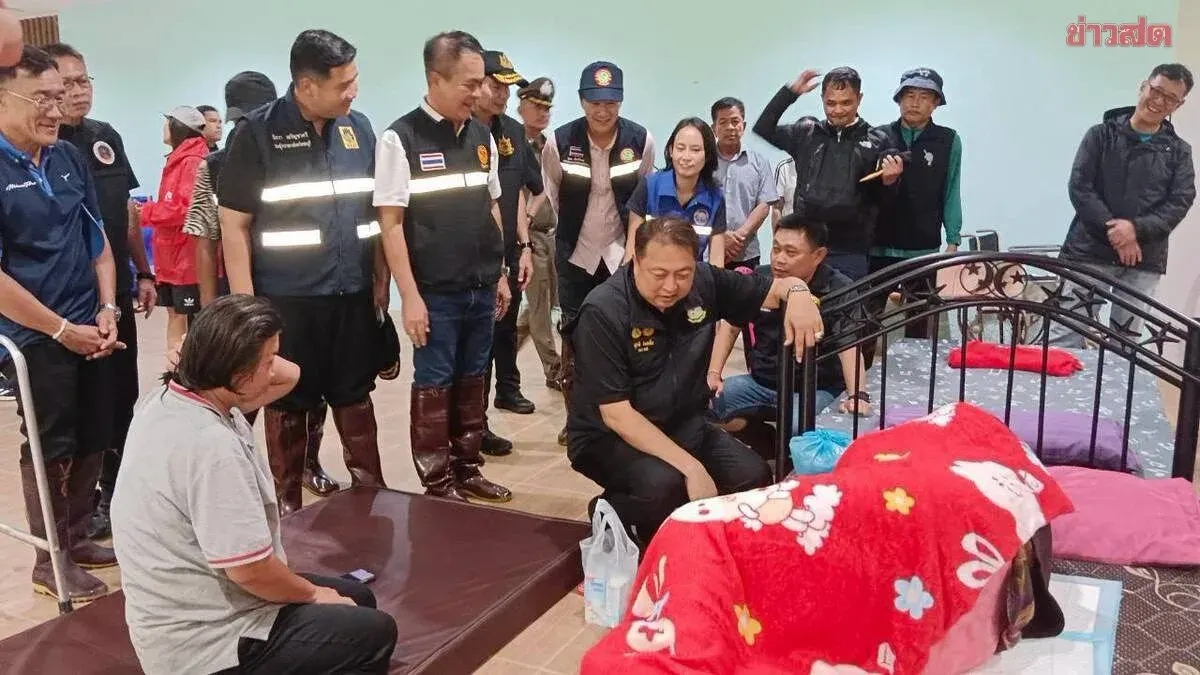
Thai Army deploys 4,000 troops across Bangkok and central Thailand to assist flood victims in Bang Kapi and Lat Krabang districts, providing evacuation support, supplies, and emergency equipment as water levels remain critically high in eas
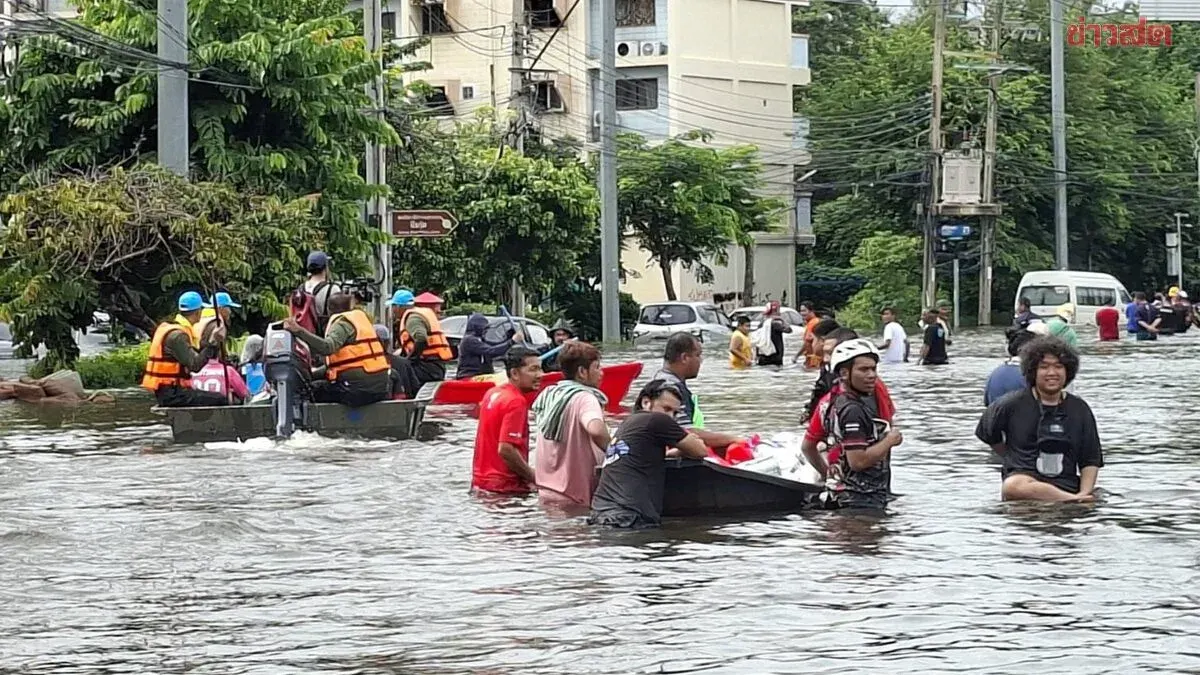
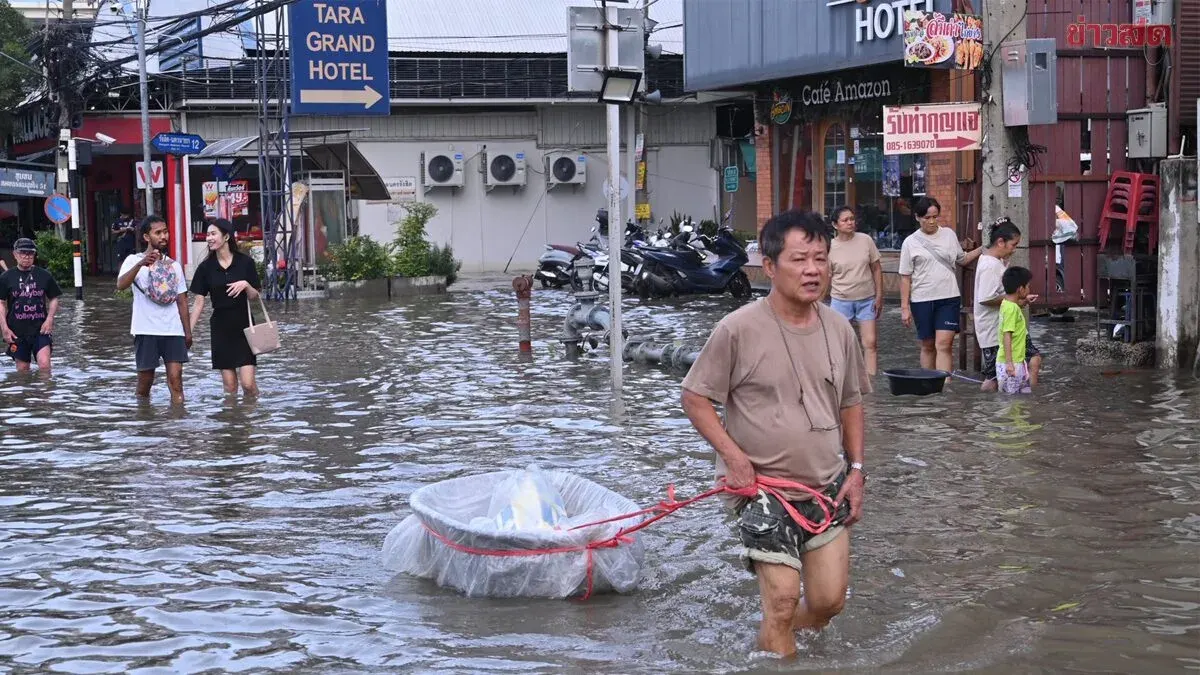
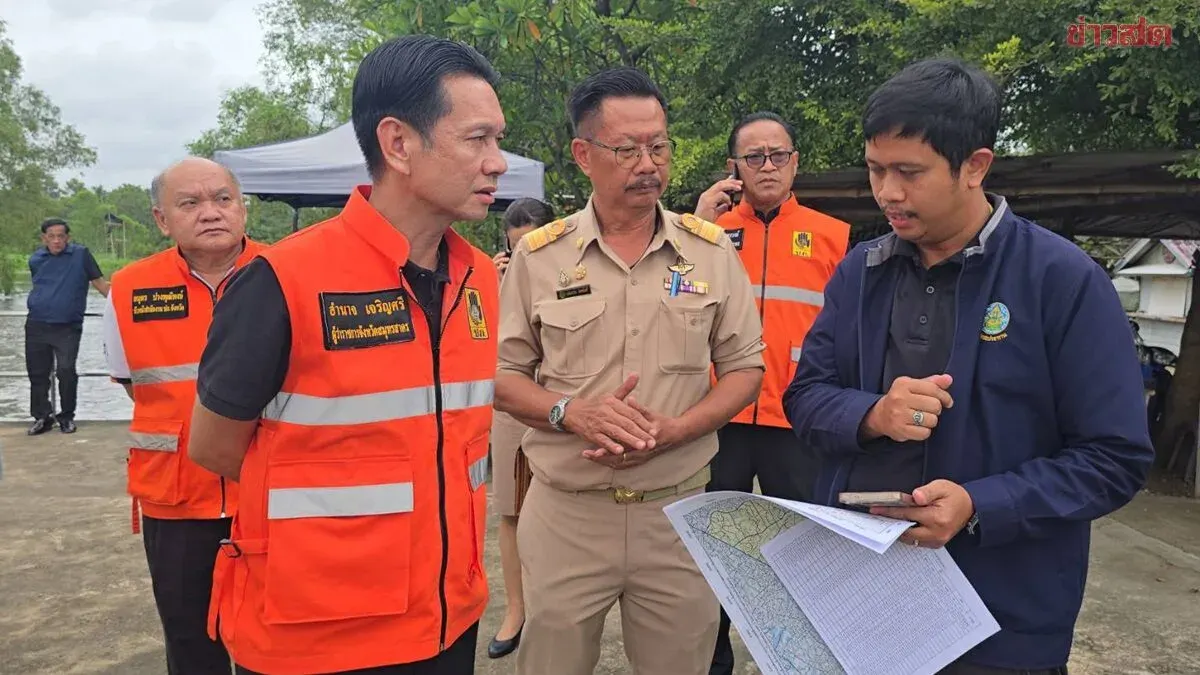
The Thai Army has mobilized over 4,000 personnel to assist flood victims in Bangkok's Bang Kapi and Lat Krabang districts and across the central region. Army spokesman Colonel Winthaiee Suwari reported on September 28 that multiple areas continue to experience severe flooding affecting homes, transportation routes, and daily life, particularly in Bangkok and its suburbs. While water levels on major roads have begun to recede in some locations and traffic has reopened, several areas remain under high water, especially eastern Bangkok, low-lying zones, and major canal networks requiring close monitoring. Some areas are experiencing rising water levels.
Given the widespread impact across the central region, the Army Headquarters coordinated with Region 1 Military Command and the Royal Thai Volunteer Defense Corps Region 1 to deploy approximately 4,000 troops equipped with 288 vehicles, 20 rubber and flat-bottomed boats, 9 field kitchens, and 2 drone systems to assist affected and vulnerable populations.
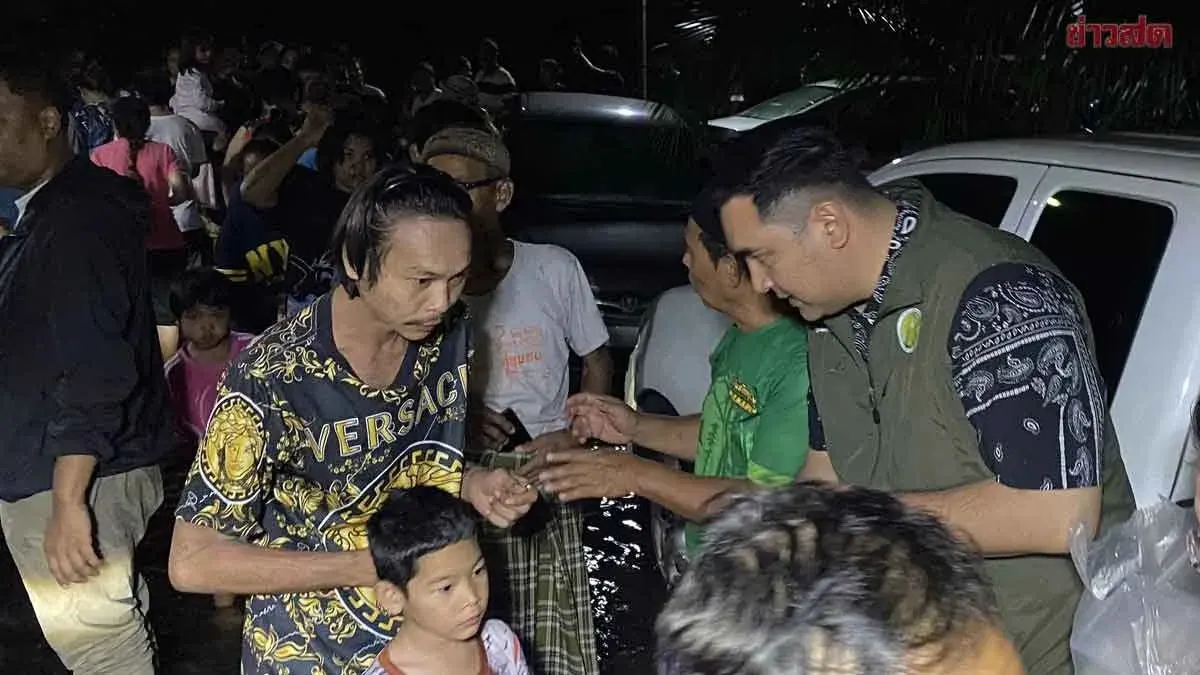
In Bangkok's Bang Kapi district, particularly around the Khlong Chan Housing Estate, the First Infantry Regiment deployed personnel and vehicles to support evacuation efforts and transport essential supplies, cooked food, and drinking water to flooded communities. In Lat Krabang district, especially the Rom Klao Housing Community where water levels remain critically high, the Second Cavalry Regiment reinforced efforts with flat-bottomed boats and high-clearance trucks to evacuate residents and distribute food, water, and necessities with royal volunteer corps assistance.
In peripheral areas, particularly Pathum Thani province, military units supported sandbag barriers in Sam Khok district to prevent water from entering residential communities.