Thai lawmakers submitted evidence to China's embassy documenting cross-border water pollution from mining operations, with toxic contamination now affecting major rivers including the Mekong and contaminating food crops and fish across the
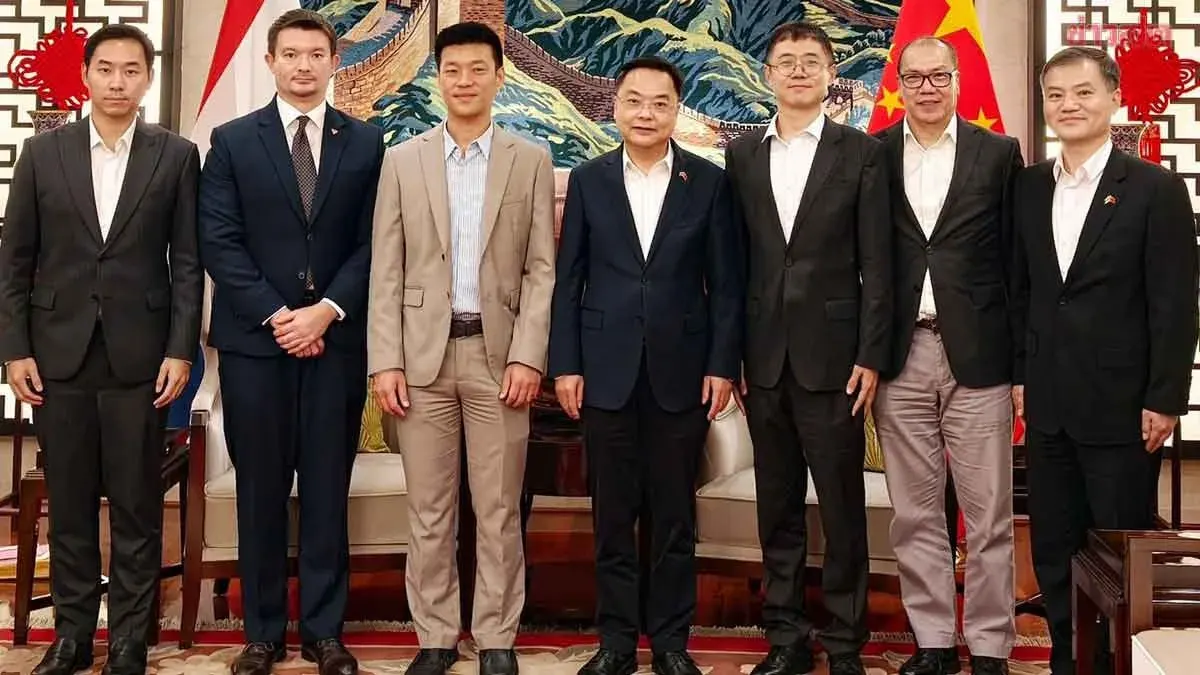
July 14, 2026 — Nathpong Ruangpanyavuti, list MP and leader of the Thai People's Party (Pheu Thai), along with Phattrapong Leelapart, Chiang Mai MP from Pheu Thai, submitted additional documentation to the Chinese Embassy concerning cross-border water pollution and requested targeted action to halt toxic water contamination from mining operations in neighboring countries.
Phattrapong emphasized to the embassy that the issue affects people of all nationalities and requires urgent coordinated management across all affected countries. He stressed that scientific evidence from the Pollution Control Department's water and soil testing, along with research by Thanapol Penrat from Naresuan University, clearly demonstrates the toxins have originated over the past year from sources outside Thailand and not from Thai natural heavy metals or activities.
Phattrapong cited scientific evidence including water and sediment analysis to confirm the source of the toxins with China, noting the problem currently impacts the Salween, Sai, Kok, and Mekong rivers. He highlighted risks in the Kaburi River, where toxin levels exceed standards for arsenic and lead, with contamination now extending to food crops and fish from the Mekong River showing lead levels above safety thresholds.
The delegation provided detailed coordinates of 2,676 mining sites from the Stimson Center to enable China to identify which Chinese sectors are involved and enforce relevant Chinese laws including Rare Earth Management, Outbound Investment, and Export Control regulations.
Phattrapong stated the goal was not to assign blame but to engage supply chain countries in investigating and managing mining operations at their source. He also proposed low-cost pollution treatment solutions costing 5-20 baht per cubic meter for licensed mines, arguing prevention is far cheaper than remediation.
The Chinese Ambassador pledged to forward all documents directly to the Chinese government. Phattrapong vowed to closely monitor the issue until Thailand's rivers are clean again and riverside communities' quality of life is restored to safe conditions.