Steel Industry Accuses Capital Groups of Intimidating Officials Over New Standards
Intimidating letters from lawyers representing induction furnace mill operators have been sent to Thai steel standards committee members, pressuring them to block new environmental regulations that would shut down polluting mills.
Before public hearings on a new Thai steel standard, intimidating letters have been sent to committee members by lawyers representing capital groups operating induction furnace (IF) mills, pressuring them to reverse their stance on the draft standard. Sources in the steel industry report that multiple IPSC committee members received threatening letters from IF mill operators' legal representatives, with some academics and civil servants becoming too intimidated to sign off in committee meetings.
At a parliamentary industrial affairs committee session, Chinese capital groups claimed that China still uses IF furnaces, but Thai industry representatives countered that this is misleading—comparing it to controlled narcotics permitted only for medical use in Thailand while being banned for general use. Thai representatives argued that the Chinese government has actually ordered these furnaces out of the country because they produce low-quality, polluting steel that damages the economy.
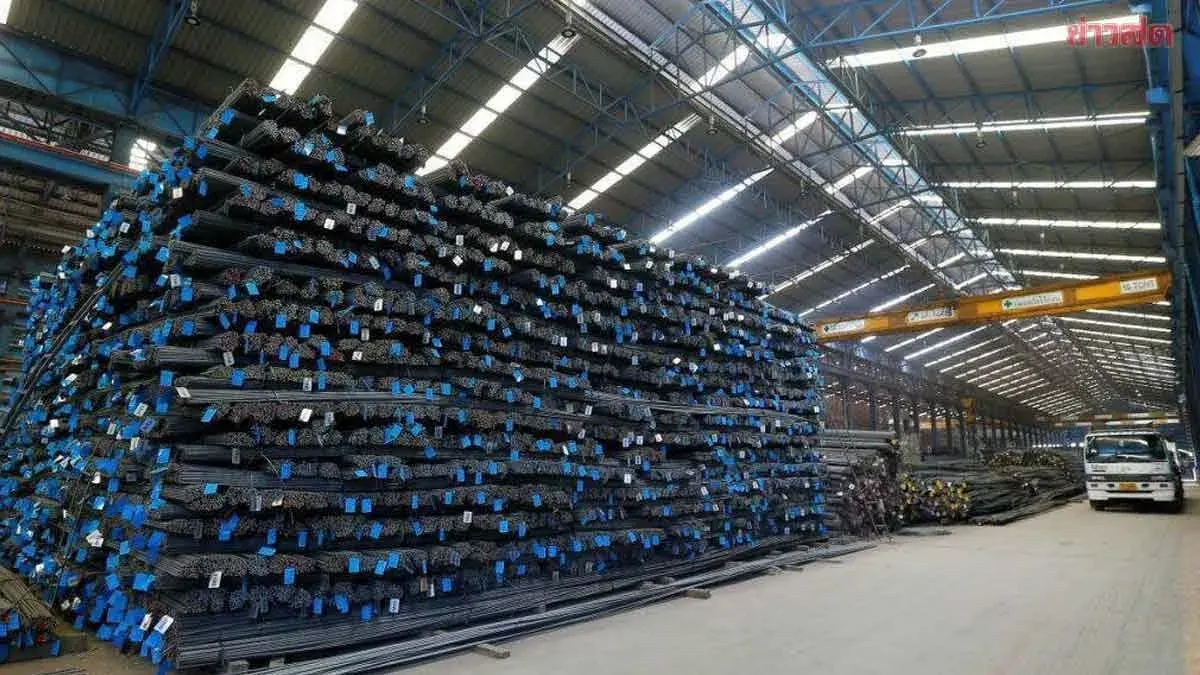
Concerns that shutting down or tightening controls on the estimated 5–7 non-compliant mills would cause a steel shortage are unfounded, according to industry sources. Many standard Thai mills currently operate at only 60% capacity and could easily increase production if illegal IF mills shut down. Industry groups support the IPSC's proposal for a 3–5 year transition period allowing mills to upgrade to cleaner electric arc furnace (EAF) technology or install online pollution controls. The illegal IF mills are also accused of tax evasion, metal scrap fraud, and hiring mainly foreign workers, providing little economic benefit while creating severe pollution.