Thai actor Kaeng Thachaya leads youth theater workshops across the Eastern Region that use short anti-corruption plays to expose scammer networks and build resistance to fraud among young audiences. The program combines professional perform
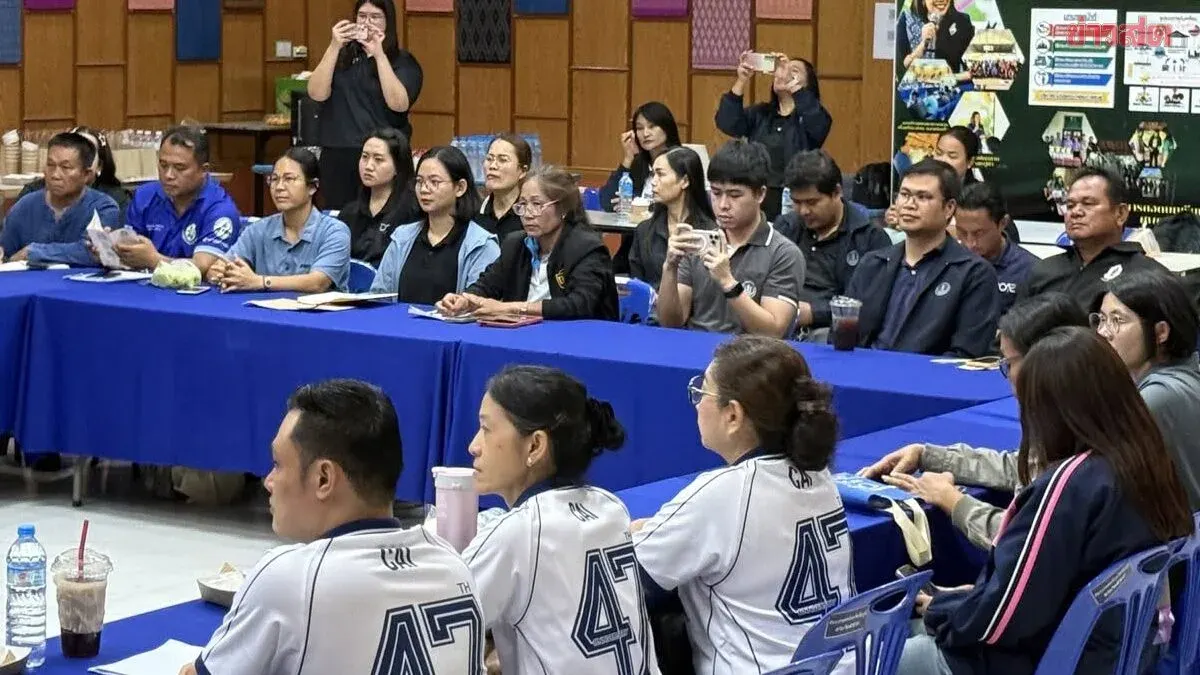
Actor Kaeng Thachaya Prathoomvarn showcases his talent in short anti-corruption plays that expose the dangers of scammer networks and build social immunity to corruption among Eastern Region youth through a youth theater network that refuses to tolerate corruption. The creative drama workshop program "Anti-Corruption: Youth Will Not Tolerate Corruption in the Eastern Region," supported by the National Anti-Corruption Fund, represents a compelling social movement model that uses performing arts combined with professional artists and performers who inspire and perform alongside students in the Eastern Region to cultivate consciousness and build youth networks that refuse to yield to corruption and fraud.
The program continues building social immunity by bringing together talented young artists and singers including Kaeng Thachaya Prathoomvarn, James Thanaboon Wisarungrojn, and Eve Orawun Pilaiworpetch to create outstanding work that blends performance power with new-generation audiences to expose and warn society through short dramas reflecting technology-based crime and the "scammer gang" epidemic currently spreading rapidly.
The program was created to provide youth space for creative expression while learning the full media production process, addressing pressing local problems like "call centers and international scammer gangs" that damage the economy and society by presenting them through a young person's perspective in an entertaining, easily understandable format with subtle, deep-thinking warnings.
Kaeng Thachaya revealed her feelings about participating, saying she is extremely proud and delighted to use performing arts as a voice for social movement, noting that the current scammer gang problem is not merely about simple theft but is connected to networks of complex structural corruption and fraud. When youth rise up to learn, write scripts, and perform themselves, it helps them see through deceptions, understand cyber threats, and grow into citizens who refuse to accept wrongdoing.
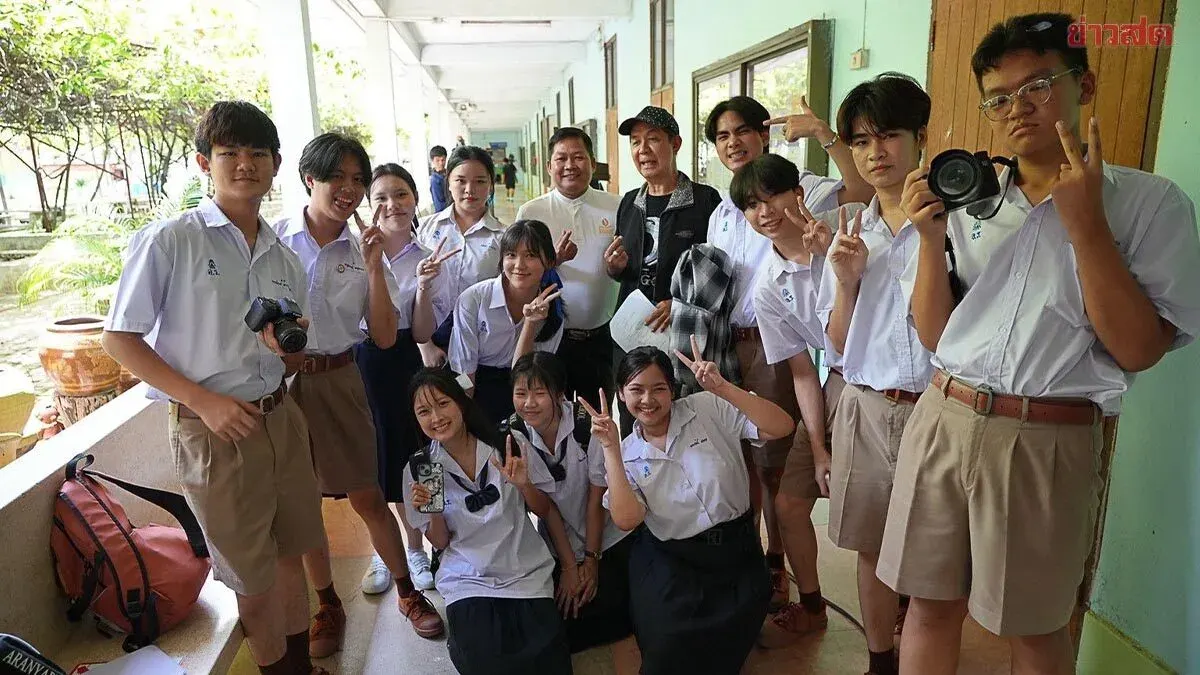
Ginpetchr Mingmalai, a student at Aranyaprathet School, reflected that learning through anti-corruption theater plays warning of scammer gangs and corruption makes complex or distant issues easy to understand. Youth absorb these problems through role-playing, becoming aware of dangers around them and feeling they are truly contributing to society's benefit.
Pornnapha Hokkhahm, also from Aranyaprathet School, expressed pride in being a voice for the new generation. By participating in the program and conveying important messages through performing arts, young people feel proud that their small voice through theater media can help alert their peers and society to see through deceptions and join together in fighting corruption.
Julaphakwat Srisuwan, program manager, stated that the program's success is not measured by the quantitative number of participants alone, but by "the process and qualitative results" that occur.
Making difficult issues relatable (De-stigmatization & Relatability): Corruption is often seen as a large structural issue or something distant from children, but the drama training process helps youth draw ethical problems close to home, such as school corruption, taking advantage, using connections, or ethical violations, breaking them down into short drama scripts so children can understand the core of the problems more deeply than rote memorization.
Learning through hands-on practice (Active Learning through Performance):