The government has scrapped the Land Bridge project linking the Gulf of Thailand and Andaman Sea, citing financial returns that dropped from 8% to 4.8% and environmental concerns affecting mangrove forests and fishing communities in Ranong
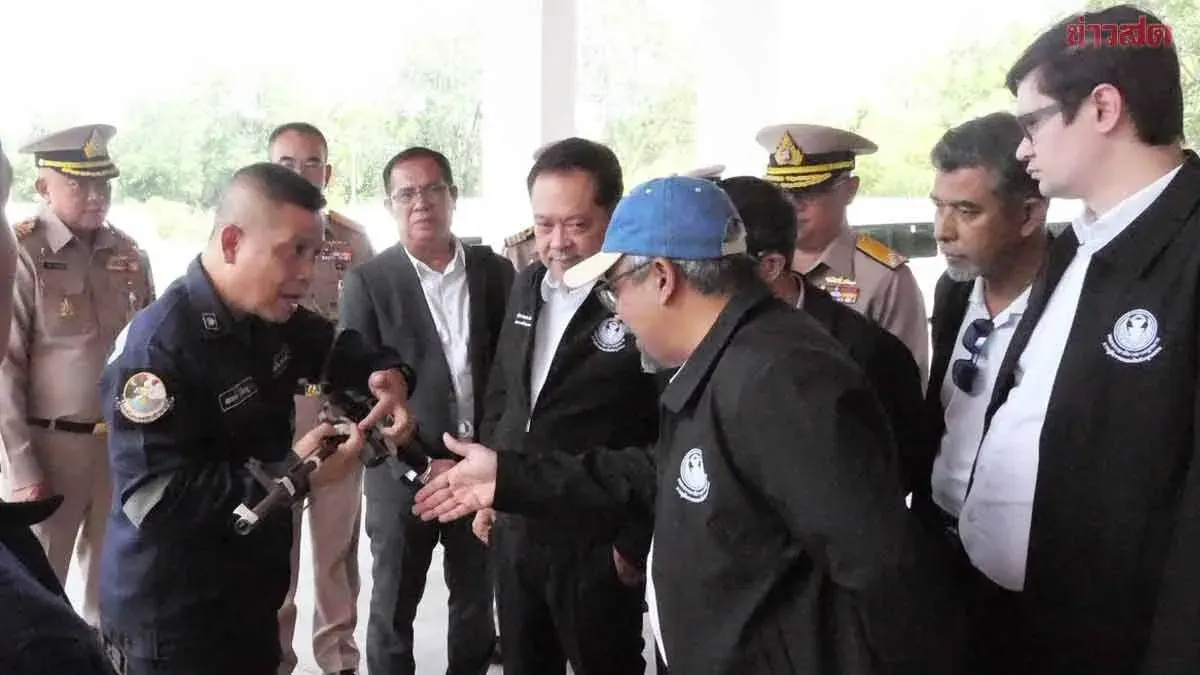
Deputy Prime Minister Ekniti Nitithanprapas and a cross-ministry committee announced on July 24 that the Land Bridge project—a major transport infrastructure scheme to connect the Gulf of Thailand and Andaman Sea—should be terminated in its current form. The committee's study, completed before the 90-day deadline, concluded the project faces low viability due to budget and multi-faceted risks, with no land acquisition or construction losses yet incurred since work has not begun.
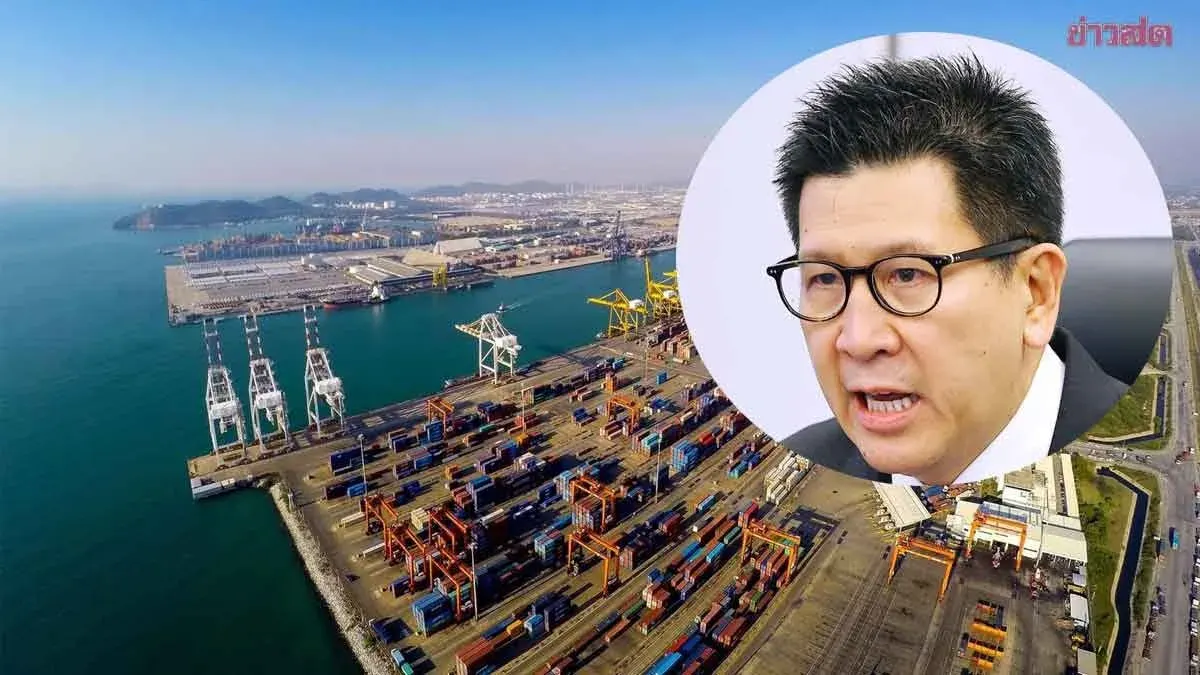
The central obstacle is financial returns, which have deteriorated significantly from original assumptions. Danuja Pichayanan, secretary-general of the National Council for Peace and Prosperity (NCPO) and chair of the economic and finance working group, reported that the revised financial return rate dropped from 8% to 4.8%, while net present value (NPV) swung from a projected positive 637.7 billion baht to a negative 10.3 billion baht. Container volumes declined 15–16%, cutting returns by 38%, and nine of the world's ten major shipping lines have already invested in similar projects elsewhere, leaving only one minor player available. Transit operations also face high risk because cargo must be transferred multiple times across ships, trucks, and rail, with the original three-day calculation not accounting for handling delays or actual transshipment costs.
The Natural Resources and Environment Ministry flagged environmental concerns: the route passes through forests, mountains, and sensitive ecosystems. Ranong Province hosts Thailand's largest mangrove forests, internationally designated wetlands, and Biosphere Reserve areas; construction could harm marine life, traditional fisheries, and coastal communities. Multiple EIA and EHIA reports lack critical detail and were prepared separately by three agencies, undermining holistic impact assessment. The 2016 Strategic Environmental Assessment does not cover the current alignment and is insufficient for a large strategic project.
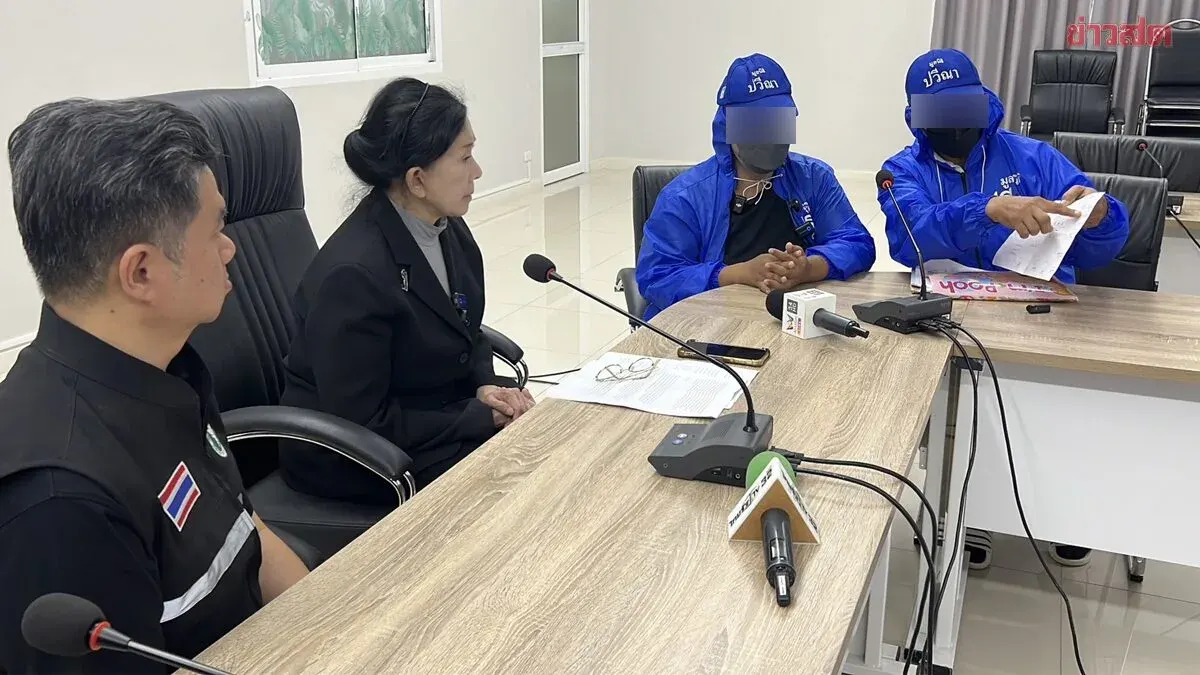
The Transport Ministry reported sharp social divisions: support groups, concerned parties, opposition groups, and unengaged citizens remain at odds, particularly traditional fishing communities, Moken groups, conservation networks, and Chumphon-Ranong residents worried about environmental damage, transparency, and livelihood impacts. Deputy PM Ekniti concluded that while the Land Bridge is being scrapped, the government will not abandon transport infrastructure development and will pursue alternative solutions.