Revered Monk Luang Por Pin Remembered in Ratchaburi
Luang Por Pin, a revered abbot of Wat Ubonwanaram in Ratchaburi, was remembered for his mastery of Buddhist teachings, occult knowledge, and tireless service to his community until his death in 1952.
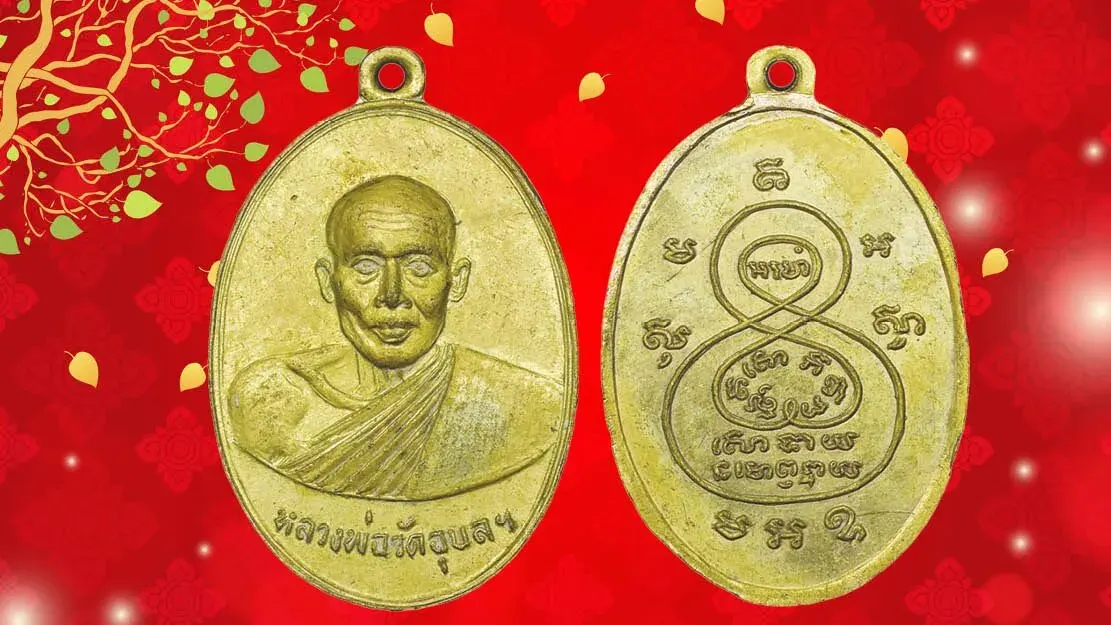
Phra Kru Prasit Sarnakun, known as Luang Por Pin Inthasaro, was a distinguished former abbot of Wat Ubonwanaram in Daeangsadawk district, Ratchaburi province, and a student who inherited advanced Buddhist knowledge from Luang Por Kong at Wat Bang Krapom. Born February 23, 1901, in Klongnai, Samphran district, Nakhon Pathom province, to parents Nai Long and Nang Pring Imsarani, he was placed in monastic education at a young age before attending Phra Pathom College. After his father's death, he left school to help support his mother. At age 21 in 1922, he was ordained at Wat Bang Chang Nuea, receiving the religious name Inthasaro. He studied both Pali and Dhamma extensively at Wat Thongnopakun in Bangkok, earning the rank of senior Dhamma scholar and passing five difficult Pali examinations. He became skilled in Dhamma preaching, astrology, and Buddhist occult knowledge, later teaching at multiple temples including Wat Thongnopakun, Wat Thalo in Kanchanaburi, Wat Amronrat Samakhom, Wat Prasatsit, and Wat Ubonwanaram. In 1938, he established the first Pali studies program in Daeangsadawk district at Wat Prasatsit, and with Phra Kru Lom, he founded the Sri Prommin school at that temple in 1941. After transferring to Wat Ubonwanaram, he helped raise funds to build Ubonwanaram School (Nim Phin Mukprachanugul). He also assisted in constructing several other schools in the area. In 1947, following Phra Uthikan Nim's retreat from the abbacy, the sangha and temple committee unanimously appointed him as abbot. As abbot, he continued to develop and enhance Wat Ubonwanaram. Beyond his fame as a preacher, he earned widespread reverence for his Buddhist occult knowledge, being frequently invited to perform consecrations and blessings. He compassionately helped all who came to him with troubles and hardships. The residents of Daeangsadawk district recognized him as a highly virtuous monk of exceptional spiritual merit, possessing a generous and compassionate heart—outwardly appearing as a monk-developer and teacher of Dhamma and Pali, but also well known throughout the district for his excellence in preaching and religious instruction. He served as a shelter and refuge for the people of Daeangsadawk for many years until 1952.